Understand the work before you apply
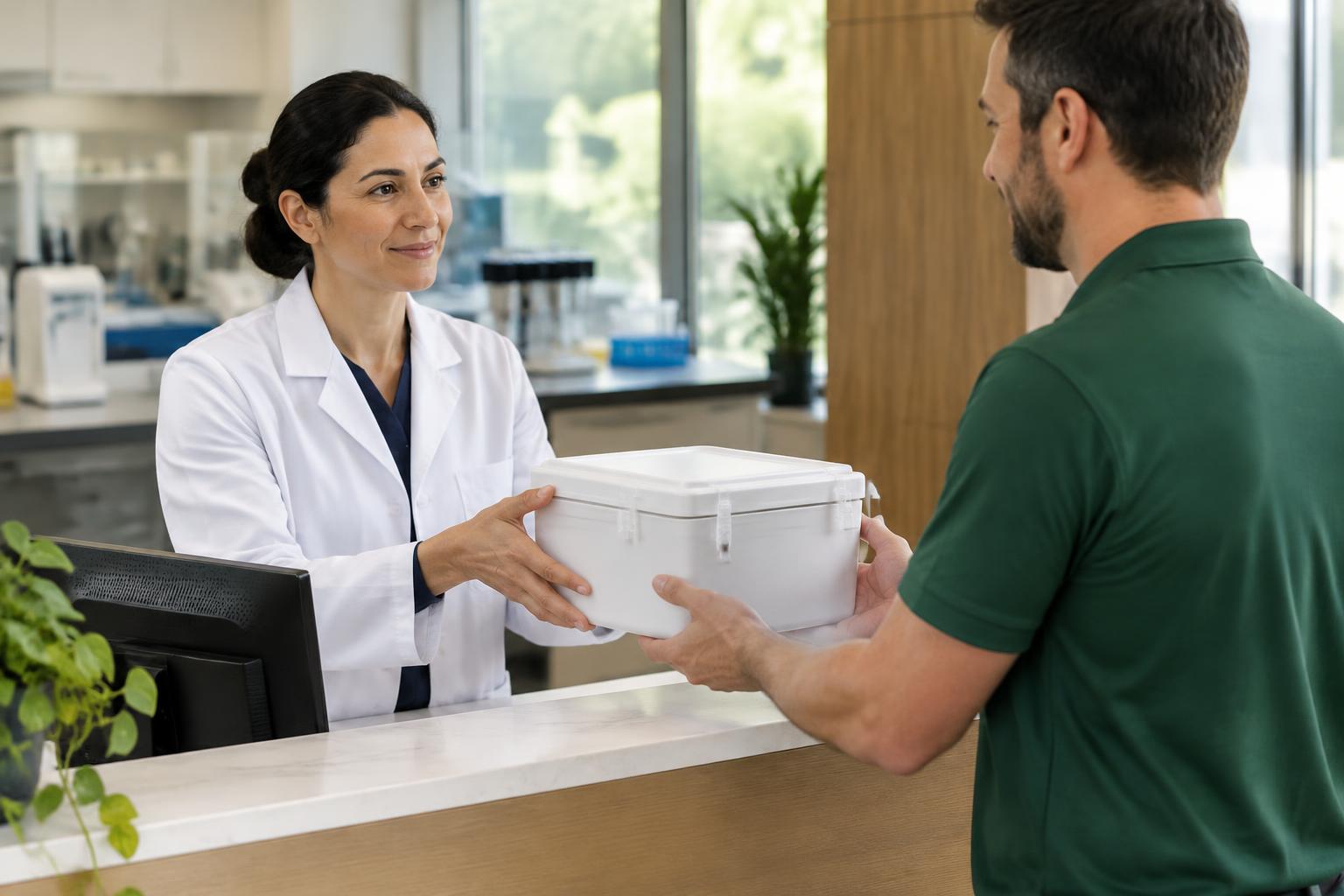
Medical couriers connect clinics, laboratories, pharmacies and other care facilities. Depending on the employer, a route may involve specimens, medication, supplies or paperwork. The job is about reliable handoffs as much as driving: a missed collection window can disrupt the receiving team's work.
There is no single job description that fits every route. Read the actual posting for shift times, lifting requirements, driving territory and whether the employer supplies the vehicle. A scheduled laboratory route can feel very different from on-demand pharmacy delivery.
Check the employer’s requirements
Employers may check your driving record, request a background check, set a minimum age or require a particular license. Some provide training after hiring; others require evidence of relevant experience. Do not buy a certificate simply because a website calls it mandatory for all medical couriers.
Handling instructions depend on the shipment. Ask who provides training for privacy, exposure prevention, packaging, temperature control and incident reporting. Never treat a general career guide as permission to transport a regulated shipment.
- Confirm the license and driving-record requirements.
- Ask whether a vehicle, fuel card and equipment are provided.
- Check who supplies and pays for required training.
- Understand the schedule, lifting duties and service area.
Build an application around reliability
Make your driving and service experience easy to scan. Include relevant delivery, logistics, customer service or healthcare experience, and explain the shifts and locations you can cover. Use concrete examples: meeting timed pickups, keeping accurate records or resolving a route disruption.
Apply through the employer's official hiring page. Keep a record of the role, location and application date. If a recruiter contacts you separately, verify their identity through the employer before sending sensitive documents.
Prepare for your first route
Before starting, confirm pickup windows, authorized handoff locations, dispatch contacts and what to do if a recipient is unavailable. Ask for the escalation procedure before a delay occurs, not afterward.
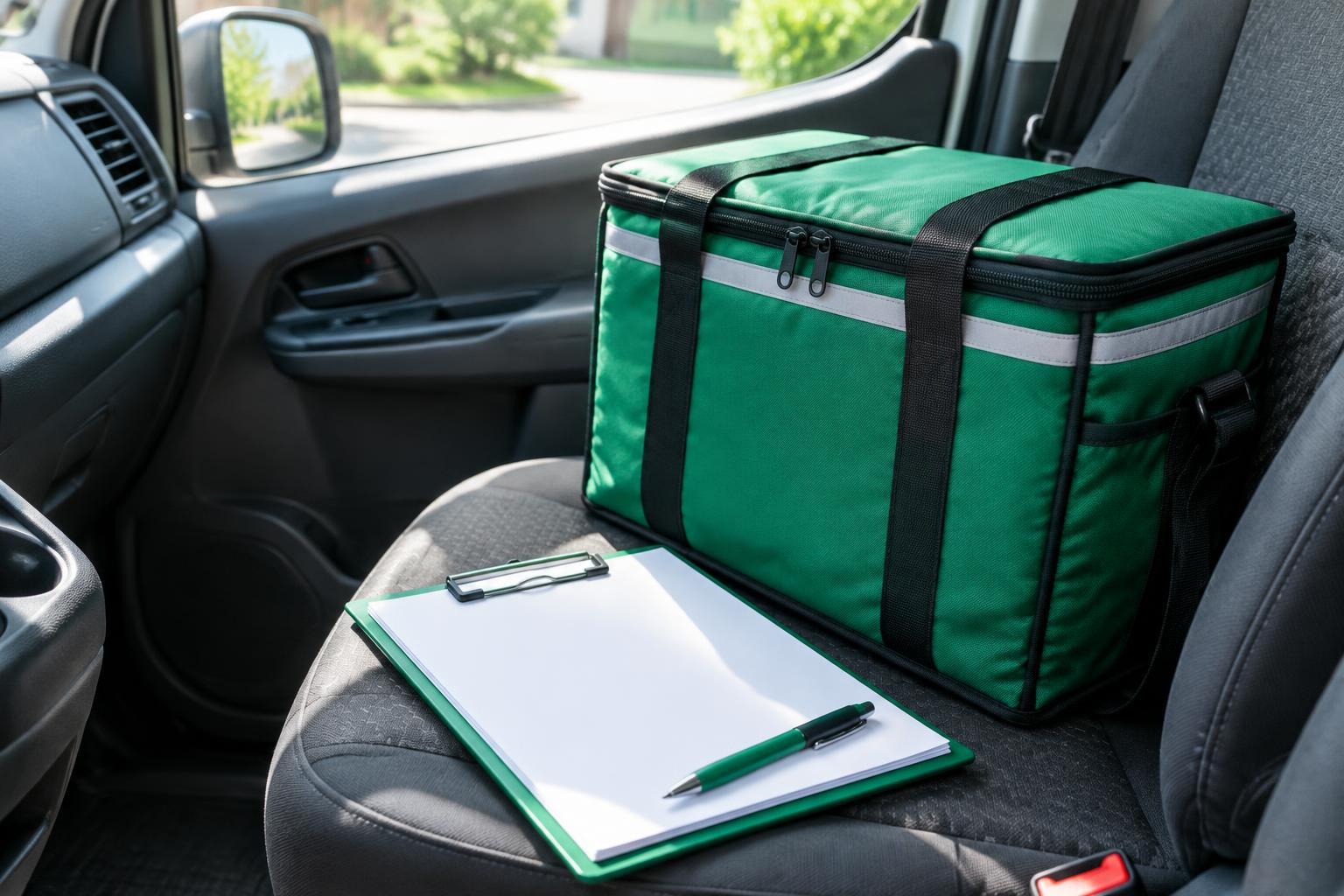
Use the employer's approved handling process. Do not open packages, improvise temperature controls or leave a shipment unattended to save time. A professional first route is one completed safely, with clear communication and accurate records.
Further reading
General career information, not medical, legal or tax advice. Requirements vary by employer, shipment and location. Follow your employer’s approved procedures and consult the appropriate official guidance.
More in this topic: Becoming a medical courier →